PetPeptideAcademy.com

Precision Protocols for Animal Longevity & Recovery

A comprehensive educational resource for Canine, Feline, and Equine peptide therapy — backed by published pharmacokinetic studies and clinical veterinary practice.

Explore Peptide Protocols
8Peptides
7Combo Stacks
28Studies Cited
3Species
⚠ Clinical Disclaimer: For licensed veterinary professionals. Most peptides listed are investigational and not FDA-approved. All treatment requires direct veterinary supervision. This is an educational resource only.
Choose Your Academy

Species Protocol Hubs

Select a species to explore detailed peptide protocols with dosing tables, protocol timelines, and scientific evidence — organized from summary overview to deep clinical data.
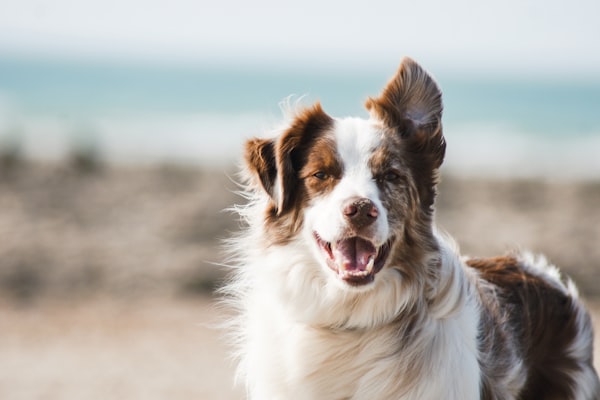
Dog
Canine

Canine Academy

Complete protocols for dogs of all weight classes — from toy breeds to giant breeds.

8 Peptides4 Stacks20 Protocols
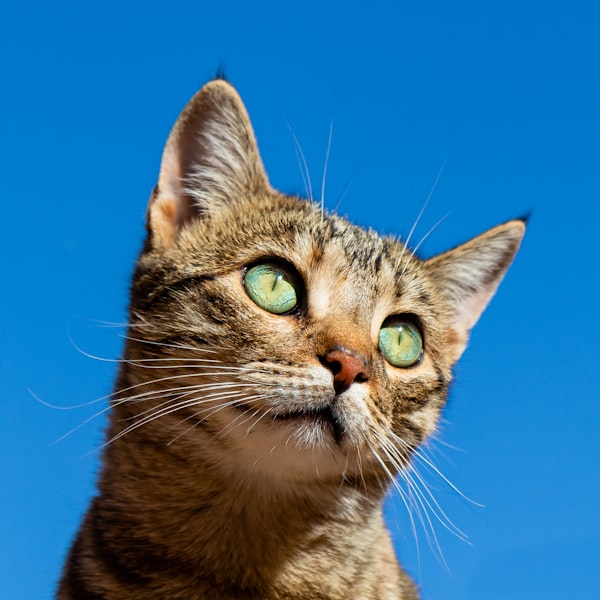
Cat
Feline

Feline Academy

Feline-specific dosing with FIV/FeLV support, FISS awareness, and copper toxicity guidance.

8 Peptides3 Stacks16 Protocols
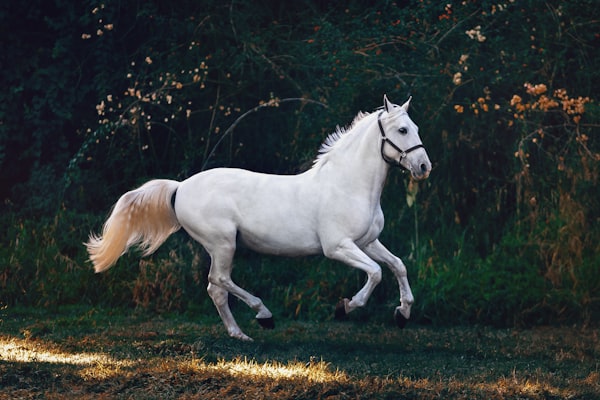
Horse
Equine

Equine Academy

Performance and recovery protocols with competition/doping awareness and BSA-scaled dosing.

8 Peptides3 Stacks18 Protocols

Universal Dosage Calculator

Calculate precise peptide doses for any species. Toggle between Simple and Clinical views for owner-friendly or full veterinary detail.

Dosage Result

Units on syringe
Frequency
Duration
Dose (mg/kg)
Dose (mcg/kg)
Total dose per administration
Volume per injection
Allometric Km factor
Route
Contraindications

Canine Peptide Protocols

Complete dosing protocols for all canine weight classes. Click any peptide to expand dosing details, timelines, and evidence.

01
BPC-157
Body Protection Compound-157 — The only peptide with published canine PK data
Regen Wound
How It Works
Promotes healing by increasing blood vessel growth and reducing inflammation. Protects the gut lining. First peptide with a published study in dogs showing 45–51% absorption when injected. Very safe — no toxic dose found even at high amounts.
Weight ClassDoseHow OftenDurationBest For
<10 kg (toy/small)20–100 mcg/dayOnce daily2–4 weeksGI issues, joint injuries, post-surgical
10–35 kg (medium)50–250 mcg/dayOnce daily2–8 weeksTendon/ligament, GI protection, wounds
>35 kg (large/giant)100–500 mcg/dayOnce daily2–8 weeksOrthopedic recovery, chronic conditions

Protocol Timeline — Wolverine Blend (BPC-157 + TB-500)

1
Day 1 — Initial Load
Begin Loading Phase
🐾 Owner Observation

May notice slight lethargy for first 24 hours. Normal eating and drinking behavior should continue.

🔬 Biological Marker

Baseline CBC/Chem panel. Document injection sites. BPC-157 peak plasma at 6–8 min IM, t½ <30 min.

2
Week 2 — Assessment
Early Response Evaluation
🐾 Owner Observation

Increased willingness to bear weight. May show more energy on walks. Improved appetite.

🔬 Biological Marker

Palpate injury site — expect reduced swelling and heat. Assess gait score improvement. Check injection site rotation.

3
Week 4 — Transition
Maintenance Phase Decision
🐾 Owner Observation

Significant mobility improvement. Playing, running, climbing stairs. Near-normal activity levels.

🔬 Biological Marker

Reduction in inflammatory markers. Imaging (if applicable) may show tissue consolidation. Transition TB-500 to maintenance dose.

4
Week 8 — Completion
Protocol Complete
🐾 Owner Observation

Full return to normal activity. Sustained improvement in quality of life.

🔬 Biological Marker

Follow-up imaging confirms tissue repair. Gait analysis normalized. Consider maintenance BPC-157 (3×/wk) for chronic conditions.

Mechanism of Action
Promotes angiogenesis via VEGF/VEGFR2 upregulation, modulates NO/eNOS system, accelerates tendon-to-bone healing. PK in beagles: 45–51% IM bioavailability, t½ <30 min, linear PK at 6–150 mcg/kg. Cmax at 6–8 min IM. Main excretion: urine and bile. No lethal dose found at repeated doses up to 2 mg/kg.
ParameterDoseRouteFrequencyDurationIndicationsRef
Clinical equivalent6 mcg/kg/daySQ IMOnce daily2–4 wk (acute) / 4–8 wk (chronic)Tissue repair, GI protection, wound healing, joints, post-surgical1,2,3,4
Full range2–10 mcg/kg/daySQ IMOnce daily2–8 weeksStart conservative, titrate up1,2,5
Key Evidence
He et al. 2022 (PMID 36588722): First canine PK study. Beagle clinical dose 6 mcg/kg IM. Linear PK at 6–150 mcg/kg. Well-tolerated 7-day repeated dosing at 30 mcg/kg.
Xu et al. 2020 (PMID 32334036): Comprehensive safety — no lethal dose in dogs, no genotoxicity, no teratogenicity.
Vasireddi et al. 2025 (PMC12313605): Systematic review — 544 articles screened, BPC-157 enhances GHR expression, angiogenesis pathways.
02
TB-500 / Thymosin Beta-4
Most established veterinary peptide — equine studies since the 1960s
RegenWound
How It Works
Active fragment LKKTETQ drives actin binding, cell migration, wound repair. Promotes angiogenesis, collagen deposition, and inflammation reduction.
DoseRouteLoadingMaintenanceDuration
0.1–0.25 mg/kg/wk
~2–5 mg/wk med dog
SQ IM1–2×/wk for 2–4 wkHalf dose 1×/wkLoading: 2–4 wk / Maint: 4–8 wk
Contraindicated with Active Cancer
TB-500 promotes angiogenesis & cell migration. Screen all patients before initiating. Banned in competitive racing.
03
Thymosin Alpha-1 (TA1)
Approved in 35+ countries as Zadaxin® — strongest evidence base
ImmuneOncology
How It Works
Binds TLR2/TLR9 → activates NK cells, CD4+/CD8+ T-cells, IFN-γ/IL-2 production. Immunomodulatory — rebalances rather than suppresses or overstimulates. Safe as cancer adjunct (PTEN/PI3K/Akt/mTOR direct anti-tumor effects).
DoseRouteFrequencyDurationIndications
50–100 mcg/kgSQ2–3× weekly4–12 wk or ongoingCancer adjunct, chronic infections, immune deficiency, vaccine enhancement
Cancer Exception
TA1 is one of the exceptions to the cancer contraindication. It enhances anti-tumor immune surveillance without promoting tumor growth. Combine with PNC-27 for immune-oncology.
04
GHK-Cu
Copper Tripeptide — modulates 4,000+ genes, published canine wound study
WoundRegen
DoseRouteFrequencyDurationIndications
0.5–2 mg/day or topical 2×/daySQ IM TopicalDaily (inj) / 2× daily (topical)4–8 wk (inj) / ongoing (topical)Wound healing, skin/coat, post-surgical, joints
Copper Note
Bedlington Terriers and some Labrador lines carry genetic copper storage disease. Monitor hepatic function. Topical preferred for localized conditions.
05
PNC-27
Selective anti-cancer peptide — targets membrane HDM-2
Oncology
DoseRouteFrequencyDurationIndications
0.5–2 mg/kgSQ Intratumoral2–3× weekly8–12+ weeksCancer — HDM-2 overexpressing tumors, solid tumor reduction
Level V Evidence
In vitro/rodent only. No companion animal trials. Intratumoral injection likely most effective. Highly experimental.
06
IGF-1 LR3
Extended half-life growth factor (~20–30 hrs vs native ~20 min)
Growth
DoseRouteFrequencyDurationIndications
1–4 mcg/kg/daySQ IMOnce daily4–6 wk (cycle on/off)Muscle wasting, post-surgical recovery, sarcopenia
Contraindication
Contraindicated with active cancer. Monitor blood glucose. Cycle 4 wk on / 4 wk off. Level V evidence.
07
MGF (IGF-1Ec)
Mechano Growth Factor — inject near injury site
Growth
DoseRouteFrequencyDurationIndications
2–5 mcg/kg/dayIM (near injury)Daily or EOD4–6 weeksMuscle repair, post-injury recovery, muscle loss
Product Reference

Veterinary Peptide Catalog

Estimated monthly costs based on protocols above. All products should include COA with ≥99% HPLC purity. Prices at Diamond tier — Alpha BioMed Labs.

BPC-157
5mg, 10mg, 15mg, 20mg
Price (5mg)$27.50
Dog /mo$27–55
Horse /mo$165–330
TB-500
5mg, 10mg
Price$30 / $40
Dog /mo$60–80
Horse /mo$160–320
Thymosin Alpha 1
10mg
Price$57.50
Dog /mo$57–115
TA1 Complex
TA1 (10mg) + Thymulin (6.4mg)
Price$62.50
Dog /mo$62–125
GHK-Cu
50mg, 75mg, 100mg
Price (50mg)$25
Dog /mo$25–50
PNC-27
5mg
Price$100
Dog /mo$200–400
IGF-1 LR3
1mg
Price$40
Dog /mo$80–160
MGF (IGF-1Ec)
5mg
Price$35
Dog /mo$35–70
Ipamorelin
5mg, 10mg
Price (5mg)$25
Horse /mo$100–200
Tesamorelin
5mg, 8mg, 10mg
Price (8mg)$30
Horse /mo$120–240
Scientific Literature

References Cited (28)

  1. He L et al. PK, distribution, metabolism, excretion of BPC 157 in rats and dogs. Front Pharmacol. 2022. PMID 36588722
  2. Xu C et al. Preclinical safety evaluation of BPC-157. Regul Toxicol Pharmacol. 2020. PMID 32334036
  3. Vasireddi N et al. Emerging Use of BPC-157 in Orthopaedic Sports Medicine. OJSM. 2025. PMC12313605
  4. Gwyer D et al. BPC 157 and musculoskeletal soft tissue healing. Cell Tissue Res. 2019. PMID 30915550
  5. Jozwiak M et al. Multifunctionality of BPC 157 — Literature and Patent Review. Pharmaceuticals. 2025. PMC11859134
  6. Kleinman HK, Sosne G. Animal studies with thymosin β4. Ann N Y Acad Sci. 2010. PMID 20536453
  7. Goldstein AL et al. Thymosin β4: a multi-functional regenerative peptide. Expert Opin Biol Ther. 2012. PMID 22074294
  8. Kwok WH et al. Doping control analysis of TB-500 in equine urine/plasma. J Chromatogr B. 2013. PMID 23084823
  9. Esposito S et al. TB500/TB1000: understanding misbranded drugs. Drug Test Anal. 2022. doi:10.1002/dta.3413
  10. Philp D, Kleinman HK. Animal studies with thymosin beta 4. Ann N Y Acad Sci. 2010.
  11. King R, Tuthill C. Immune modulation with thymosin alpha 1. Vitam Horm. 2016. PMID 27450734
  12. Dominari A et al. Thymosin alpha 1: comprehensive review. World J Virol. 2020. PMID 33362999
  13. Bellet MM et al. Thymosin Alpha1 in Cancer Therapy. Front Oncol. 2019. doi:10.3389/fonc.2019.00873
  14. Guo Y et al. TA1 suppresses breast cancer via PTEN/PI3K/Akt/mTOR. Apoptosis. 2015.
  15. Wang F et al. TA1-Fc with prolonged half-life. Sci Rep. 2018. PMID 30120313
  16. Li Y et al. Thymosin α-1 in cancer: immunoregulation. Int Immunopharmacol. 2023.
  17. Goldspink G. Mechanical signals, IGF-I gene splicing, muscle adaptation. Physiology. 2005. PMID 16174871
  18. Pickart L et al. GHK Peptide in Skin Regeneration. BioMed Res Int. 2015. PMC4508379
  19. Pickart L, Margolina A. Regenerative Actions of GHK-Cu. Int J Mol Sci. 2018. PMC6073405
  20. Canapp SO et al. Topical GHK-Cu on ischemic canine wounds. Vet Surg. 2003. PMID 14569578
  21. Maquart FX et al. GHK-Cu stimulates connective tissue in rat wounds. J Clin Invest. 1993. PMID 8227350
  22. Sarafraz-Yazdi E et al. PNC-27 binds HDM-2, induces membrane-pore formation. Biomedicines. 2022.
  23. Sarafraz-Yazdi E et al. PNC-27 kills cancer cells via membrane HDM-2. PNAS. 2010. PMID 20080606
  24. Sookraj KA et al. PNC-27 induces tumor cell lysis as intact peptide. Cancer Chemother Pharmacol. 2010. PMID 20182728
  25. Davitt K et al. PNC-27 induces necrosis of K562 leukemia cells. Ann Clin Lab Sci. 2014. PMID 25117093
  26. Pincus MR et al. Poptosis: selective killing of cancer cells. Clin Oncol. 2023.
  27. JAHVM Case Report: Canine stifle with BPC-157 + TB500. JAHVM. 2023. ahvma.org
  28. Juarez M et al. Ivermectin: antiparasitic to cancer drug. Am J Cancer Res. 2018. PMID 29344093